
Minimizing check-in lines without hiring more staff is critical, especially given the rising patient base. Long queues at the front desk slow care, frustrate patients, and strain staff. Most delays come from manual tasks and poor workflow design. With simple digital tools and smarter processes, clinics can streamline check-in and improve flow without increasing headcount.
Importance of Managing High Patient Volumes for Healthcare Providers
If there are more patients, then even a small amount of delay can have a huge effect on an entire healthcare unit. Waiting areas are full, appointments are delayed, and diagnostic tests take longer than intended. Waiting room queues can escalate to delayed treatment, hurried consultations, and forgotten care within a short time.
If smooth flow is not present, it creates a dilemma for healthcare delivery. Caregivers will attend to emergency cases first; however, they will not focus on normal patient visits or even preventive maintenance. Over time, a lack of balance can destroy trust, resulting in weaker patient outcomes.
Staff also experience the pressures. With a rise in patients, workloads are heavier, and fewer moments can be spent with each case, along with increased emotional and physical exhaustion. Burnout can also become an increased possibility, with increased operational expenditures. Healthcare executives face more than efficiency challenges when dealing with a rise in patients. Protecting the quality of care, staff health, and making every patient count are also priorities.
Patient Check-In Bottlenecks: Key Challenges During High Patient Volume

When too many patients arrive at once, the check-in area often becomes the first point of pressure. The waiting lines are delayed, filling the front desks, which can cause difficulties for the registration personnel to handle, as it can lead to delayed appointments, diagnostics, and frustration before treatment begins. Patients feel anxious as they are not sure how long it will take for them to receive health care jobs.
With added check-in volume, workers must move with increased efficiency and fewer breaks. This can cause errors due to fatigue, which can result in mistakes while reading patient data and follow-up calls to ensure data was recorded correctly. Small problems, such as incomplete forms and processing for coverage, can turn into larger ones as patients move through the system.
Reducing Patient Check-In Bottlenecks Without Adding Staff

When patient volumes rise, adding staff members may not be feasible. The bright side is that patient check-in wait times can be improved through effective patient flow through the front office. Firstly, efficient patient queueing systems will alert the patient of waiting times and inform staff members of probable waiting lines. Patients will therefore be aware of what is awaiting them, which will decrease their frustrations and reduce the long lines at the front office.
Secondly, self-check-in systems are also of great importance here. Through kiosks or mobile self-check-in systems, patients can verify their appointments, edit information, and fill out forms by themselves. This makes it easier for staff by decreasing the amount of paperwork that has to be done by the hospital staff and thereby increasing the efficiency of the process as well.
Thirdly, virtual care, as well as intelligent triage, can reduce crowds before even reaching treatment centers. Online consultations for common complaints, as well as pre-visits before attending these appointments, also enable treatment centers to focus in-person treatment sessions for only those patients who actually need them. Together, these changes help healthcare facilities move patients through check-in smoothly, improve the experience, and maintain quality care, all without increasing headcount.
The Role of Technology in Improving Clinic Efficiency

Technology also has an important role in allowing the clinics to get more efficiency with the staff they already have in place. Some of the greatest improvements can be found in technology concerning automatic reminders for appointments. By using technology to send reminders via text messages, emails, or calls, there is a great likelihood of the patients confirming or rescheduling appointments on time.
Secondly, another simple yet effective method is the use of digital intake forms. With this system, the patient does not have to come in and spend time filling out forms at the reception. The patient is able to fill out the form online at their convenience without crowding the front desk line.
The Secure Messaging service also increases efficiency. Some patients simply prefer to send a text message, as opposed to a calling conversation, and Secure Messaging enables a clinic to respond to inquiries, send instructions, and provide updates readily. Staff can handle several conversations at once, which reduces calls and gives more time for actual service provision.
Finally, there’s telehealth, which continues to alleviate pressure off busy clinics as we already discussed before. Routine follow-ups and simple consultations can occur virtually, allowing room for patients who indeed require hands-on care.
Additionally, internal secure messaging keeps staff in line without interruption. Together, these tools show how the right technology can help to enhance clinic efficiency, reduce stress, and promote superior patient experiences with no additional staffing.
How Small Clinics Leverage Data to Minimize Wait Times
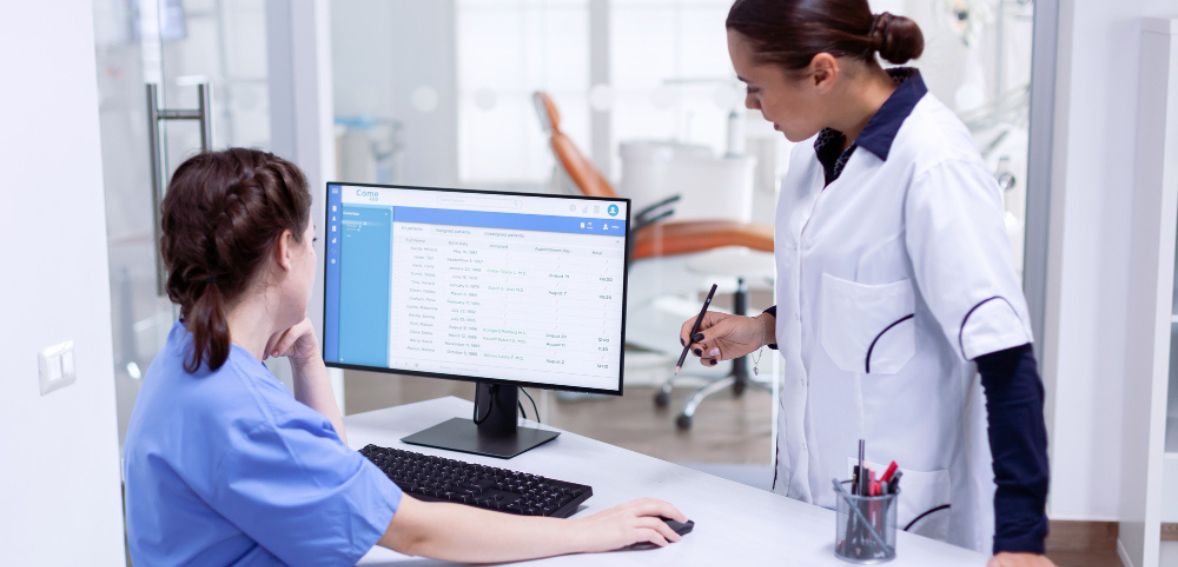
It doesn’t always take a complex system to enhance patient flow in small clinics. By leveraging the data that they already have, small practices can identify delays in their services, make small adjustments, and see real enhancements in wait times and overall patient experience.
A good place to begin would be to focus on one problem. Many medical clinics would experience difficulty checking in patients on time due to turnover. However, clinics do not have to optimize every system at the same time. Most systems, like electronic health records and practice management systems, are able to point out relevant data, such as appointment times and room usage.
The sharing of such information in real time can make a big difference. The dashboard with real-time data like patient status, room availability, and tasks that are pending can keep everyone on the same page as far as daily activity is concerned. When things get busy, delegating someone to monitor patient flow can keep things moving when it comes to handling “peak volumes” during busy times.
The clinics that employ real-time tracking systems experience noticeable improvements. The average waiting time is said to decrease by 15 to 30 percent with greater patient satisfaction. When the schedules are more reliable, staff members can be allocated based not on estimates, but on actual patient needs. Healthcare providers can see additional patients without needing to keep the clinic open for longer periods of time.
Some clinics take it a step further by using data to anticipate difficulties that may arise before they even happen. This predictive model can alert a clinic to patients who are likely to miss their appointments, giving them time to be reminded, consider alternative appointments, or reorganize their calendar accordingly. Others refocus on their processes to determine where time is being wasted all day, as well as where there are imbalances in their operational plan.
The Consequences of Staff Shortages When The Season Peaks
In smaller healthcare facilities during peak times, the impact of healthcare workforce shortages is more common than one might think. This is because the number of patients can flare up unpredictably because of seasonal outbreaks, events, or disasters. An unexpected peak in the number of patients due to several causes in season or other disasters can overwhelm the staff with overtime and staff burnout.
The pressure on staff mounts rapidly when peak periods are reached. Long shifts with fewer breaks and repeated overtime result in fatigue and burnout. Tired health professionals have less time and energy for each patient, which impacts both quality of care and morale. Simultaneously, overtime costs increase, further stressing already stretched budgets. Staff retention is harder when the burnout leads to resignations, making the shortage even worse.
Added to that, healthcare providers have to follow strict labor laws and union guidelines. During peak periods, balancing these requirements with patient demand becomes a constant challenge. Without smart scheduling and support systems in place, staff shortages may disrupt operations and affect patient outcomes, thus laying ongoing stress on the healthcare teams.
Ensuring Optimal Scheduling of Healthcare Personnel in Meeting Peak Hour Demands

There is always pressure on hospitals to provide timely care during their peak hours, and staff scheduling is an important determinant for hospitals to manage these pressures effectively.
One such efficient method that can help in optimizing schedules is by applying predictive analytics techniques, such as forecasting. Hospitals can easily predict the peak hours by analyzing past appointment data, seasons, and patient flow for each day, which gives hospitals a prior notice regarding the hours that are going to witness a huge demand, enabling authorities to schedule more staff for these hours in advance, instead of relying on the last minute, as the need arises due to sudden surge in hospital hours.
Secondly, flexible scheduling of shifts further improves peak coverage. Patients are not often circulated evenly throughout the day, which makes schedules inefficient, resulting in some units being understaffed while others are overloaded. Flexible differential schedules, split shifts, and pools considerably enable the strategic redistribution of staff members from one location to another based on where their services are in highest demand.
Thirdly, another major consideration is ensuring the right skill mix is present for each shift. It is insufficient to simply have enough employees if the group lacks the necessary skill sets for the department’s needs. Balanced scheduling ensures senior clinicians, support staff, and specialists are available together, enabling faster decision-making and better patient outcomes.
Cross-training employees also builds another level of resilience when demand peaks. If employees are versatile and can do several jobs, hospitals can easily adjust to an unexpected shortage or surge without depending on contract employees for support. Cross-training employees also builds resilience for when demand peaks because employees can do several jobs, making the demand easier to handle by all parties involved.
Let’s not forget that effective communication is also necessary to implement all of the above strategies. Last-minute changes to the schedule or unfilled shifts can affect the workflow if the relevant personnel are not alerted promptly. Live notifications, push notifications, and data dashboards ensure that the manager is able to alert the team members instantly, and the team can adjust without any confusion.
Healthcare technology weaves these initiatives together by enabling real-time visibility regarding staffing and flow. Scheduling software, live dashboards, and telehealth staff calendars enable healthcare institutions to go beyond fixed schedules. Resource staffing can also be adjusted in accordance with changes in demand, while normal regulatory requirements can also be adhered to, including both hospital staff members and telehealth staff in a common schedule. Telehealth staff members can also manage non-emergency schedules during peak times, thereby enabling hospital staff members to concentrate on critical cases.
Conclusion
Through the use of technology to optimize patient check-in systems, healthcare facilities can manage queues effectively to ensure a smooth flow that does not necessitate the addition of extra staff. Such measures not only make life easier for healthcare professionals but also ensure that patients receive prompt medical attention to make the healthcare facilities run even more effectively.
FAQs
How do digital check-in processes eliminate bottlenecks?
The electronic check-in system eliminates the delays associated with manually entering patient information to register them.
Can kiosks help improve the check-in process?
They facilitate patients to check in, update their information, and fill out forms at self-service stations.
In what ways may real-time dashboards assist in resolving check-in bottlenecks?
Real-time dashboards track patient flow, point out delays, and enable staff to make changes to enhance check-in process efficiency.
Is mobile check-in a replacement for the traditional model?
The mobile check-in service will allow patients to check in from the phone they carry with them everywhere. This will save patients the hassle of filling out paperwork at the healthcare facility.
In what way might communication help to prevent check-in delays?
Clear communication helps manage patient expectations, direct them efficiently, and avoid confusion, ensuring a smoother, quicker check-in process.